Juan Camilo Gamboa Higuera
Ph.D. Student
Mobile Robotics Lab
School of Computer Science
McGill University
3480 University Street, Room 403
Montreal, Quebec, Canada
H3A 0E9
Phone: (514) 398-2186
Curriculum Vitae
- My name is Juan Camilo Gamboa Higuera (Just making sure you were paying attention)
- I am a Ph. D. student at the Mobile Robotics Laboratory in the School of Computer Science at McGill University
- I was born in Bucaramanga, Colombia
- I have recently mastered science at McGill University, under the guidance of Prof. Gregory Dudek
- Eons ago, I would hang out at the IMAGINE lab at Los Andes University in Bogota, Colombia
- I do not play tennis at all
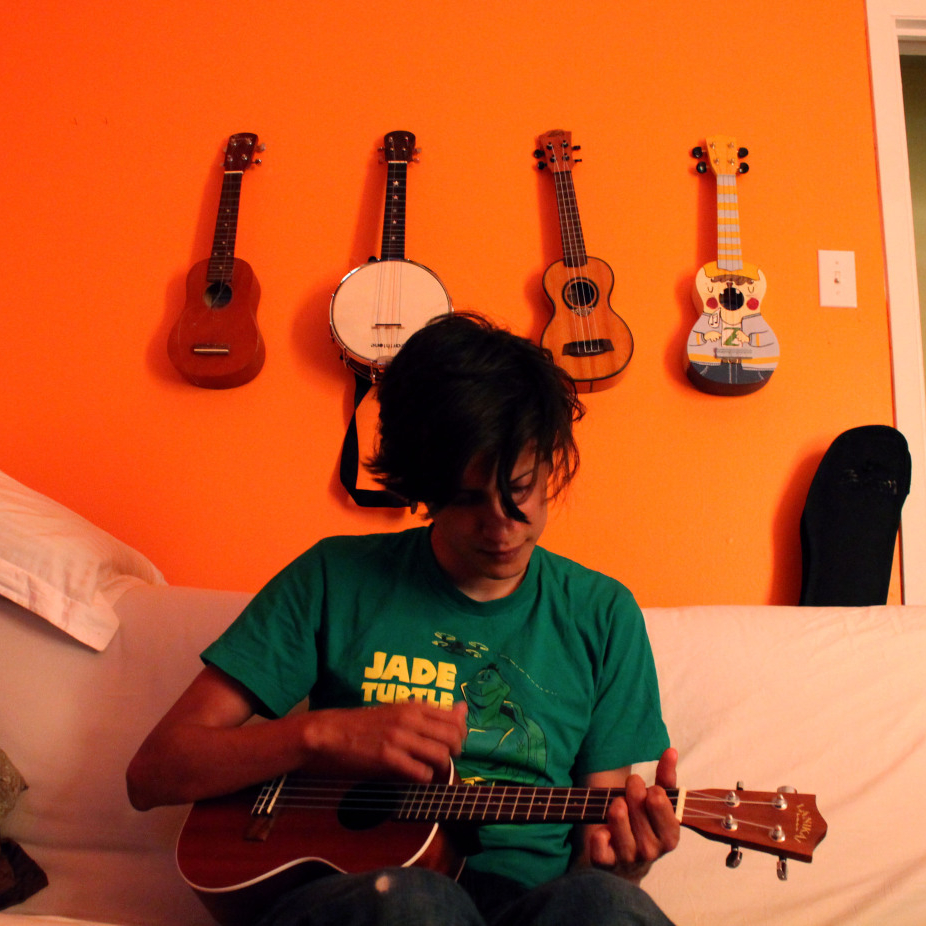
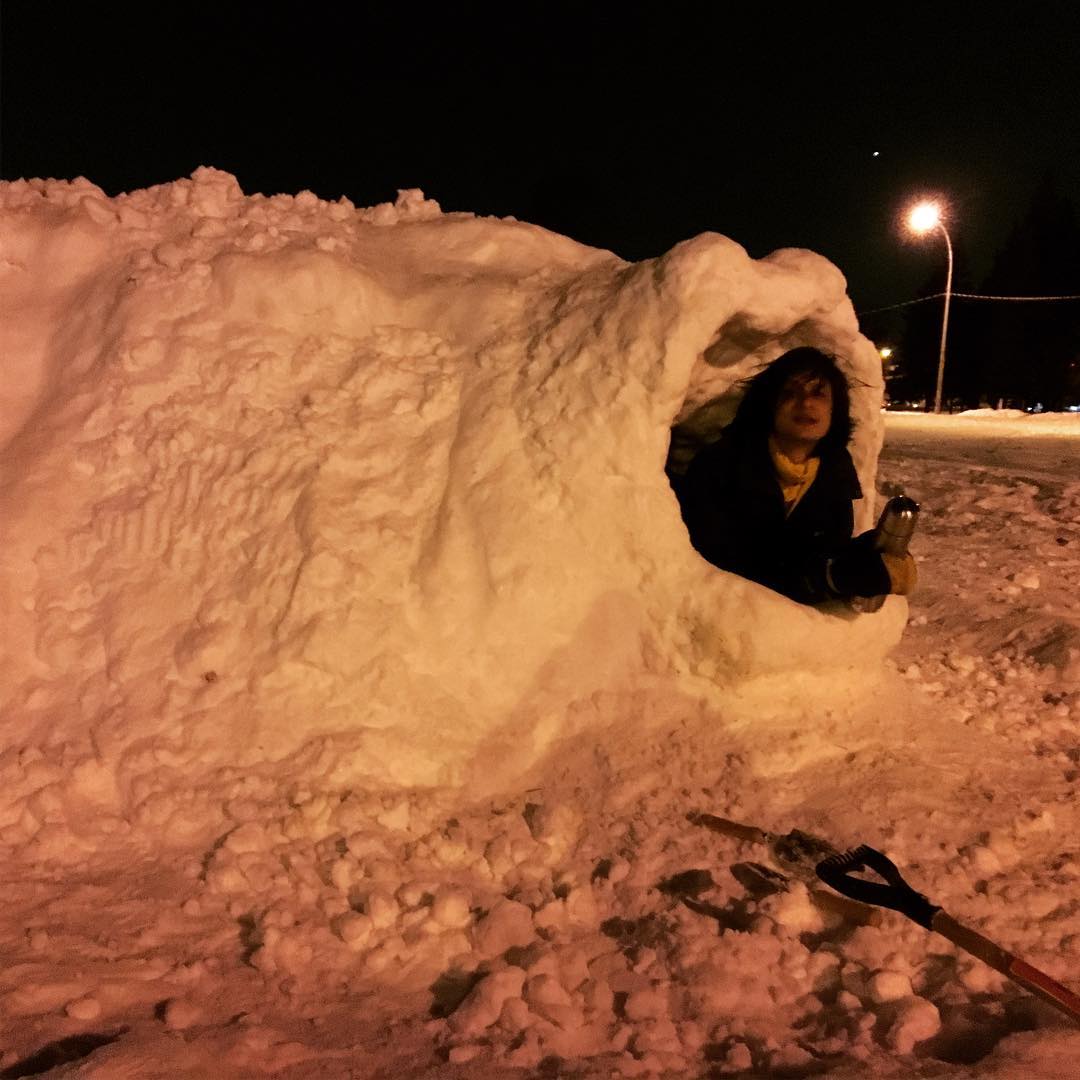
- I may look like this:
but that depends on the time of the year.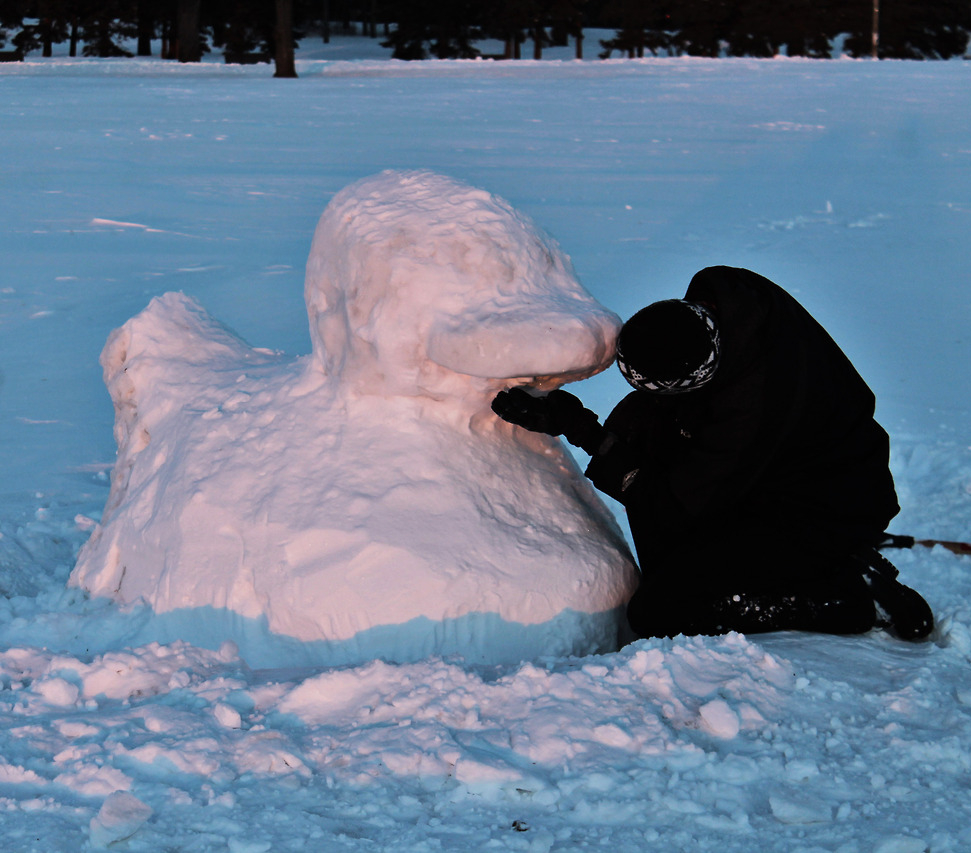
- Since 2014 (on and off for a couple months), I've been working with the guys at Sportlogiq, trying to get a better understanding of computer vision and why people find hockey entertaining. Some of the things I worked on include a tracker for figure skaters, and a camera calibration and tracking algorithm for live sport streams. Lately I've started working on automated code generation for building models of hockey and soccer games
If you are convinced that I was the person you were looking for, you should definitley take a look at my publications and software.
Research Interests
My previous research interests were on the area of multi robot and human robot coordination, for active sampling tasks.
My current research interests aim to produce a system in which an agent can transfer motor controllers learned in simulated or analogue environments to a target environment . From our experience, learning controllers from scratch in a real robot has high risk of damaging the robot. But more inportantly, it has a high cost in terms of human supervision and setup. Similar to how pilots first learn the basics of flight using a simulator, we want robots to adjust learned controllers as new data from the target environment comes in. We also want to give robots the ability to determine if such adjustment is possible: when it is not, the robot should use the data to improve learning on the simulator.
Lately, I've also been investigating the use of Bayesian neural networks for Model Based Reinforcement Learning and Inverse Reinforcement Learning. Using these type of networks, we can obtain control policies that are robust to noise and may generalize better than deterministic feedforward networks.
This is how some of our experiments with underwater robots look like
Publications
Software
My github page has some of the stuff I've worked on in the past:- A model based RL library, which I use for most of my robot experimetns
- A driver for the Simrad BR24 marine radar
- A fork of the rossserial package to provide bidirectional and mesh xbee communication
- A small library to sniff wifi data
- A ROS wrapper for the Leap Motion hand tracker
- A small library to train a single Gaussian Process regression model
- An udp server for a pan tilt unit using the BeagleBone Black, and a client using the curses library (used for the videos of the sunshine system)

Unrelated things
I'm currently spending some of my time doing the following activities- Used to be writing camera calibration and visual SLAM algorithms for broadcast sport videos at Sportlogiq . Now I'm working on automatic code generation for modelling hockey and soccer games.
- Trying to come up with pop songs with Snake as Snake et le Capybara